Spin to Win Your Best Casino Slots Right Here
Casino slots are electronic or mechanical games where you spin reels filled with symbols, aiming to match them across a payline. Your core interaction is simple: you select a bet amount and press the spin button, with the result determined by a random number generator to ensure fairness. The true thrill of each unpredictable spin offers a low-pressure escape, letting you enjoy fast-paced entertainment with the potential for instant rewards without needing any special skills or strategies. To use them, you simply insert your funds, choose your desired bet size, and start spinning to let the vibrant themes and sounds carry you away.
The Evolution of Digital One-Armed Bandits
The evolution of digital one-armed bandits transformed slot play from a passive pull into an interactive experience. Early digital versions simply replicated the mechanical reels and single payline, but modern iterations use random number generators to enable cascading symbols, expanding wilds, and multi-level bonus rounds. A key insight is that
digital one-armed bandits abandoned the physical lever in favor of touchscreens and auto-spin, letting players control speed and bet per line, which directly increases both engagement and potential win frequency.
Today’s slots simulate hundreds of virtual reel positions, creating thousands of ways to win from a single spin, a logical leap from the rigid 22-stop physical reels of the original machines.
From Mechanical Reels to Virtual Immersion
The shift from mechanical reels to virtual immersion fundamentally transformed slot interaction. Physical three-reel machines, limited by gear and spring mechanics, gave way to video slots with enhanced virtual immersion, featuring animated symbols and multi-line payouts on digital screens. Modern interfaces now integrate 3D graphics and themed audio directly into the reels’ spin logic, creating a seamless visual experience without altering the core play. This evolution replaced tactile lever pulls with touch-based controls and auto-spin functions, prioritizing speed and visual depth over mechanical resistance.
How does virtual immersion change reel behavior compared to mechanical models? Virtual reels use Random Number Generator software to determine stopped positions, bypassing physical inertia and enabling unlimited symbol configurations per spin.
How Random Number Generators Changed the Game
The introduction of the Random Number Generator ended the era of predictable mechanical reels, replacing physical probability with continuous, non-repeating number streams. This shift ensured each spin is an isolated event, unaffected by previous outcomes. Players could now trust that true algorithmic randomization governed every result, eliminating any pattern-based advantage. The RNG effectively made each wager a fresh, independent trial, destroying the gambler’s fallacy of “hot” or “cold” machines while creating a faster, more volatile experience. Modern gameplay hinges on this invisible engine, delivering instantaneous, unpredictable results that mechanical systems could never offer.
The RNG transformed slots from predictable mechanical cycles into unpredictable, instantaneous digital events, making every spin a mathematically isolated possibility.
Milestones in Online Gaming Technology
The migration of mechanical reels to digital code marked the first pivotal milestone, enabling Random Number Generator (RNG) integration that ensured truly unpredictable outcomes. This led to the development of cascading reels and multi-way pays, breaking the fixed payline model. A clear sequence of technological advancements followed later:
- The introduction of HTML5 allowed instant browser play, eliminating download requirements.
- Advanced graphics engines enabled 3D animations and cinematic bonus rounds.
- Adaptive streaming technologies guaranteed smooth gameplay across mobile and desktop devices.
These milestones collectively shifted the user experience from passive spinning to interactive, feature-rich sessions governed by real-time digital logic.
Decoding Paylines and Volatility
Decoding paylines means understanding the specific winning patterns required to trigger a payout, ranging from classic single-line setups to modern 243-ways or cluster-pays that eliminate traditional lines. Volatility determines the risk-reward profile, with low volatility slots offering frequent small wins on many paylines, while high volatility games feature fewer, larger payouts from rare line hits. Matching your bankroll to volatility is crucial; low volatility suits extended play, whereas high volatility demands patience for its sporadic payline combinations. Always check a game’s paytable to see how paylines interact with symbol values and bonus triggers, as this directly affects your hit frequency and betting strategy.
Understanding Winning Combinations Across the Grid
Understanding winning combinations across the grid requires analyzing how symbols align within active paylines, not just anywhere visible. Traditional slots demand left-to-right adjacency on predetermined lines, while modern ways-pay systems reward clusters of matching symbols appearing anywhere vertically or horizontally. The grid’s structure dictates what constitutes a win—scatters bypass payline rules, landing anywhere to trigger bonuses. Volatility directly impacts combination frequency; low-volatility grids yield small, frequent alignments, whereas high-volatility grids offer rare but larger symbol clusters. Mastering this involves recognizing cluster adjacency patterns, as adjacent symbols on adjacent reels must form contiguous chains for paylines, while grid-based ways evaluate symbol density across all positions, altering payout calculation logic entirely.
Low, Medium, and High Variance Explained
Variance explained in slots directly measures payout frequency and size. Low variance games deliver frequent, small wins, keeping your bankroll stable over extended play. Medium variance strikes a balance, offering moderate payouts at a steady tempo. High variance machines pay out rarely but can award massive sums, often requiring a larger bankroll to survive the dry spells. Understanding this spectrum lets you match a slot’s behavior to your risk tolerance, ensuring the volatility aligns with your session goals.
- Low variance slots: small, regular wins; ideal for long sessions with minimal risk.
- Medium variance slots: a mix of moderate payouts and occasional bigger hits.
- High variance slots: infrequent but potentially huge payouts; high risk, high reward.
- Always check the variance rating to predict your bankroll’s lifespan before spinning.
Hit Frequency vs. Payout Potential
Hit frequency measures how often a spin yields any win, while payout potential focuses on the size of those wins. A slot with high hit frequency delivers frequent small payouts, maintaining your balance but rarely triggering massive rewards. Conversely, low hit frequency games have longer dry spells but offer the chance for life-changing jackpots through rare, high-value symbol combinations. Understanding this trade-off lets you choose sessions aligned with your bankroll and risk appetite—steady buzz versus high-stakes thrills. Low-frequency slots amplify volatility, making each spin feel more decisive.
Hit frequency keeps you playing; payout potential defines the thrill of the big hit. Balance them to match your slot strategy.

RTP and House Edge Demystified
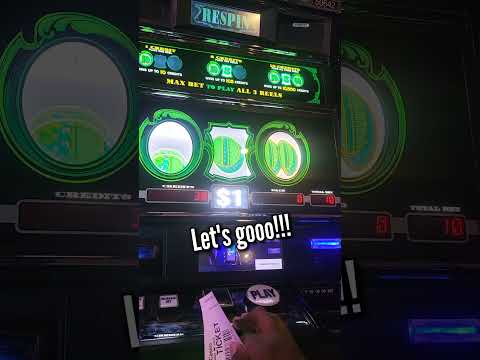
You pull the lever, watching the reels spin, and wonder where your money really goes. That’s where RTP—Return to Player—and the House Edge come in, demystified. RTP is the percentage of all wagered cash a slot theoretically pays back over time, like 96% means a $100 bet returns $96 on average. The House Edge is its flip side—the casino’s built-in mathematical advantage, so that same slot keeps $4 per $100 wagered. Think of it this way: RTP is your slice, House Edge is the house’s cut. A quick inline Q&A: “So if RTP is 96%, will I get back $96 every session?” No—short-term luck swings wildly; the percentage only holds over millions of spins, but choosing games with higher RTP lets the math work slightly more in your favor over time.
What Return to Player Percentages Really Mean
RTP is a theoretical long-term average across millions of spins, not a guarantee for any single session. A 96% RTP means the slot is programmed to return $96 for every $100 wagered over an infinite timeline, but your personal experience will deviate. In the short run, variance can produce large wins or rapid losses regardless of this percentage. Understanding RTP as a statistical probability helps you set realistic expectations: it does not predict when you will win or lose. Does a high RTP slot pay out more often? Not necessarily—higher RTP reduces the house edge over time, but hit frequency and volatility determine your session outcomes.
How the House Edge Influences Long-Term Play
The house edge functions as a statistical certainty that erodes player bankrolls over extended sessions. On a slot with a 5% house edge, every $100 wagered theoretically loses $5, meaning the longer you play, the closer your actual results align with this mathematical loss. Short-term variance can conceal this erosion for hours, but the edge ensures the casino’s advantage becomes inescapable over thousands of spins. This persistence makes bankroll management for sustained play critical, as even a slight edge compounds relentlessly, transforming temporary wins into eventual losses if play continues indefinitely.
Comparing Theoretical vs. Actual Payouts
The theoretical RTP, calculated over millions of spins, represents the mathematical average a slot is programmed to return. Your actual session payout, however, will diverge significantly due to short-term variance and random number generator volatility. A single session cannot replicate the long-term average; you may win or lose well beyond the stated percentage. This discrepancy is not a fault but the definition of statistical noise, meaning the theoretical figure only emerges after an impractical number of spins.
Comparing theoretical vs. actual payouts reveals that long-term RTP governs the machine’s edge over infinite play, while your actual session results deviate due to unavoidable variance, never matching the programmed average.
Popular Themes That Drive Player Engagement
Mythology and ancient civilizations captivate players by offering epic narratives of gods and treasures, creating a sense of discovery that fuels repeated spins. Similarly, adventure and exploration themes tap into the thrill of the unknown, with quest-based mechanics and progressive bonuses that reward persistence. Subtle audio cues and visual payoffs tied to these story arcs can deepen immersion without overwhelming the core gameplay loop. Fantasy and cinematic franchises further drive engagement by leveraging familiar characters and emotional stakes, while seasonal or holiday updates provide fresh, time-limited variety that interrupts monotony. Each theme is carefully best us online casino crafted to align reward anticipation with narrative progression, ensuring players return less for the payout and more for the experience itself.
Ancient Civilizations and Mythological Adventures
Ancient Civilizations and Mythological Adventures provide a structurally reliable framework for slot engagement. These themes exploit the player’s inherent familiarity with pantheons like Greek or Egyptian lore, allowing game designers to map specific gods or artifacts (e.g., Anubis, Zeus) directly onto bonus rounds and multiplier triggers. The narrative logic of a “quest” or “curse” justifies escalating risk, as players associate the mythological respin mechanic with a hero’s trial. This thematic cohesion reduces cognitive friction, converting historical lore into a predictable reward cycle.
- Scatter symbols often mimic sacred objects (e.g., the Eye of Ra) to trigger free-spin pyramids
- Wild symbols are frequently portrayed as demigods or mythical beasts (e.g., griffins) to signify substitution power
- Bonus rounds simulate journey maps through the underworld or across Olympus for sequential jackpots
Movie, TV, and Music-Inspired Reels
Movie, TV, and music-inspired reels leverage familiar intellectual property to create instant emotional hooks. These slots often include licensed soundtracks and character symbols that trigger recognition and nostalgia. A clear sequence for engagement typically follows: first, themed bonus rounds replicate iconic scenes; second, win animations mirror memorable moments; third, audio cues from the franchise heighten anticipation. The emotional attachment to a beloved franchise can override typical slot fatigue, encouraging longer play sessions. Practical design elements, such as video clips from actual films or voiceover narration by original actors, further immerse players in a known world.
- Licensing a hit franchise ensures a built-in audience.
- Integrating iconic props or scenes into reel symbols
- Triggering exclusive bonus games tied to plot points.
- Using soundtrack loops to maintain thematic consistency.
Fruit Classics Versus Modern Video Epics
Fruit classics hook players through their stark simplicity and rapid, nostalgic predictability, offering instant gratification with minimal cognitive load. In contrast, modern video epics drive engagement via complex narrative arcs and layered bonus mechanics, rewarding exploration over raw speed. This dichotomy means fruit slots thrive on pure reflex and pattern recognition, while video epics demand strategic feature management for maximum payout potential. Feature retention across both styles is key: fruit machines hold attention with high volatility bursts, whereas video epics use progressive story unlocks to extend play sessions.
- Fruit classics rely on single-action spins and fixed paylines, appealing to purists seeking rhythm.
- Modern video epics employ multi-stage free spins and character progression systems for immersive depth.
- Visual feedback differs: fruit slots use simple flash-and-clunk sounds; video epics use cinematic animations and soundtrack shifts.
Bonus Features That Maximize Excitement
Bonus features transform standard spins into high-octane events, with multi-level pick-and-click rounds letting you uncover instant cash prizes directly on screen. Cascading reels that explode winning symbols keep the action flowing, while linked progressive jackpots trigger a frantic race for a life-changing payout. Free spins with stacked wilds or expanding multipliers turn every tumble into potential huge wins, and interactive gamble features let you double down on any prize. The sheer unpredictability of these mechanics—combined with vivid animations and sound effects—ensures every bonus round feels like a thrilling, quick-fire event that maximizes excitement with every click.
Free Spins with Multipliers and Expanding Wilds
Free Spins with Multipliers and Expanding Wilds crank the thrill way up. You trigger a set number of spins, but each win gets boosted by a multiplier—often starting at 2x and climbing with consecutive wins. Meanwhile, Expanding Wilds with Multipliers can cover entire reels, turning a meager payout into a massive hit. The real magic happens when a high multiplier lands on an Expanding Wild, potentially stacking wins across multiple paylines in a single spin.
Q: Can Free Spins with Multipliers and Expanding Wilds retrigger?
Absolutely. Many slots let you earn extra spins by landing more scatters during the feature, often keeping the same multiplier progression active.
Pick-and-Click Mini-Games and Cascading Reels
Pick-and-click mini-games introduce a layer of player choice, typically triggering after specific scatter combinations. You select from a grid of hidden symbols to reveal instant multipliers or free spins, turning passive spins into active decisions. In contrast, cascading reels remove winning symbols after a payout, allowing new ones to fall into place for consecutive wins. This creates a chain-reaction effect where each cascade can build a multiplier track that escalates rapidly. The logical sequence unfolds as:

- A winning combination forms and pays out.
- Those symbols are removed from the grid.
- New symbols drop down, potentially forming another win.
- The cascade multiplier increases, boosting every new win’s value.
Progressive Jackpots and Mystery Prizes
Progressive Jackpots and Mystery Prizes amplify slot excitement by linking every spin to a potential life-changing moment. A progressive jackpot pools a fraction of each bet into a growing prize, often triggered by a specific symbol combination. Mystery prizes, conversely, can drop randomly, regardless of paylines or bet size, adding thrilling unpredictability. **Networked progressive jackpots** can skyrocket into millions across multiple casinos. How do mystery prizes differ from standard bonuses? They award unpredictable sums without requiring a winning spin, often appearing as a random cash injection that keeps players engaged between traditional payouts.
Strategic Approaches Without Guaranteed Wins
Treating slot strategies like bankroll management or volatility selection is less about guaranteeing a win and more about stretching your playtime. You can choose low-volatility games for smaller, frequent hits, or maximize bonus features by targeting slots with high RTP percentages. Chasing a progressive jackpot with the last few coins is less a strategy and more a gamble on hope. Ultimately, every spin remains independent, so no approach, from timing your play to switching machines, can override the house edge or predict a payout.
Bankroll Management for Extended Sessions
Extended slot sessions demand a rigid focus on session-based bankroll allocation. Divide your total funds into smaller, fixed session budgets—never exceeding one per sitting. A clear sequence ensures survival:
- Set a hard loss limit for the session before you spin.
- Divide that limit into 20–50 equal betting units to pace play.
- Cash out immediately if you double your session budget, locking in profit.
This method prevents chasing losses across hours and keeps your bankroll intact for future sessions. Without this structure, volatility will erode your funds before the game’s cycle can turn.
Choosing Games Based on Personal Risk Tolerance
Selecting a slot game begins with honestly assessing your personal risk tolerance. High-volatility slots offer larger but infrequent payouts, suiting players who can withstand dry spells for a chance at a significant win. Low-volatility games provide frequent, smaller returns, aligning with those seeking extended play sessions and less financial fluctuation. Your bankroll dictates this choice; a small budget often pairs poorly with high-risk games. Matching volatility to your comfort level ensures responsible slot selection aligns with your financial and emotional limits.
Your risk tolerance directly determines whether volatility matches your bankroll and session goals.
When to Walk Away: Setting Win and Loss Limits
Before you spin, decide your stop-loss and take-profit points. If your bankroll drops by a set amount—say 20%—walk away immediately. The same goes for wins: once you double your starting cash or hit a specific number, pocket the profit and leave. This isn’t about predicting outcomes; it’s about protecting your session from emotional chasing. Limits keep the game fun and prevent a lucky streak from turning into a loss.
Successful slot play isn’t about winning every session—it’s about knowing exactly when to walk away, win or lose.
Mobile Gaming and Touchscreen Optimization
Touchscreen optimization transforms slot spins into a satisfying swipe or tap, eliminating clunky buttons. Larger reels and responsive hit zones ensure you never mis-tap a bet adjustment, while vertical layouts perfectly fit phone grip. Quick tip: Q: Why do some slots feel laggy? A: Unoptimized games load heavy animations that don’t scale to your screen, breaking the immersive flow. Smart haptic feedback, like a subtle buzz on a win, makes each spin feel physical. Look for slots with adjustable button sizes and one-handed play modes—these small tweaks keep the game fast, not frustrating.
Seamless Play on Smartphones and Tablets
Seamless play on smartphones and tablets for casino slots relies on responsive design that auto-scales reels and buttons to fit varying screen sizes without lag. Touchscreen optimization ensures swipes and taps register instantly, avoiding misclicks during spins. Portrait mode often presents a single visible payline set, while landscape expands the view for multi-line slots. Instant loading times are critical, achieved through compressed assets and cached game states, so players can resume sessions without rebuffering. Q: Does seamless play work offline on tablets? A: No, seamless play requires an active internet connection to sync game outcomes and account credits, though some slot apps pre-load basic assets to reduce loading delays.
Landscape vs. Portrait Mode Experiences
Portrait mode dominates mobile slot design by enabling one-handed thumb-tapping on the reels, while landscape mode shifts the player’s grip to two-handed interaction, often revealing a wider reel matrix or secondary bonus panels. The vertical orientation optimizes the thumb’s natural reach zone for spin and bet adjustments, whereas horizontal layout can introduce staggered payline mapping that reduces accidental touches during rapid spins. Vertical slot UX typically prioritizes streamlined immersion, while landscape may leverage peripheral vision for mini-maps or progress bars. Testing both orientations reveals that portrait reduces cognitive load for continuous play, while landscape enhances strategic reading of multi-line payout charts.
- Portrait mode aligns reels with the thumb’s arc, minimizing screen shifts during autoplay.
- Landscape mode often tiles reels left-to-right, requiring two hands for consistent taps on bonus triggers.
- Vertical view typically hides landscape-exclusive features like double exposure reels or side-bet interfaces.
- Landscape orientation alters touch sensitivity zones, demanding deliberate multi-finger swipes for turbo spin sequences.
App-Based vs. Browser-Based Platforms
App-based platforms for casino slots leverage native device capabilities for superior touchscreen optimization, delivering smoother animations and haptic feedback that enhance spin mechanics. Browser-based platforms rely on responsive HTML5 to adapt to any screen without installation, but they often sacrifice performance due to browser cache limitations and lack of full gesture control. A critical differentiator is offline slot functionality, exclusive to apps that preload games for uninterrupted play, whereas browsers demand consistent connectivity for real-time server interactions.
Apps prioritize native performance and offline access, while browsers offer instant, no-download convenience at the cost of touchscreen fidelity and connectivity dependence.
Responsible Gaming and Player Safety
When playing casino slots, responsible gaming begins with setting strict time and budget limits before you spin, treating every wager as entertainment cost. Use the slot’s built-in reality check and deposit caps to enforce these limits automatically, preventing chase behavior. Remember that each spin is independent, so a “hot streak” never guarantees recovery of past losses. For player safety, always play on verified platforms with transparent game rules and random number generator certifications, and immediately end a session if you feel urgency or emotional distress. Keep your login credentials private to prevent unauthorized play, and prioritize cash management tools that let you lock out access for cooling-off periods.
Recognizing Signs of Problematic Play
Recognizing signs of problematic play in casino slots begins with monitoring time and money spent. Key indicators include chasing losses by increasing bet sizes or extending sessions, and feeling restless or irritable when unable to play. Early warning signs often involve lying about play duration or prioritizing slots over responsibilities. Even a moderate increase in spin speed can signal loss of control. Players should note if they repeatedly think about slots when not playing, or use them to escape stress.
| Behavioral Sign | What It Indicates |
|---|---|
| Frequent borrowing to play | Financial strain from slot losses |
| Skipping meals or sleep for spins | Displaced priorities tied to slot engagement |
Tools for Self-Exclusion and Deposit Limits
For slot players, deposit limit tools allow setting daily, weekly, or monthly caps on funds added to an account. This prevents overspending during a session. Self-exclusion programs let you block access to your account for a chosen period, from 24 hours to several years. To activate these, follow a clear sequence:
- Log into your account and navigate to the responsible gaming or safety settings.
- Select either “Deposit Limits” to set a maximum amount, or “Self-Exclusion” to choose a duration.
- Confirm the selection; changes are often immediate and cannot be reversed during the active period.
These tools are accessible directly through the slot platform’s interface, providing immediate control over gameplay.
The Role of Licensing and Fair Play Audits
Licensing for casino slots imposes a mandatory framework where operators must subject their random number generators to independent fair play audits. These audits verify that each spin’s outcome remains truly random, ensuring the house edge is mathematically consistent with published paytables rather than arbitrarily adjusted. A valid license also mandates regular slot game testing by approved agencies like eCOGRA, which scrutinize actual payout percentages over millions of spins. The role of independent fair play audits is to provide a verifiable check that the slot’s performance matches its theoretical return, preventing undisclosed algorithm changes that could silently skew your odds. Without these audits, any claimed RTP is unverifiable.
Licensing forces periodic, external audits of slot randomness and payout math, giving players a documented safeguard that a machine’s actual behavior aligns with its advertised fairness.